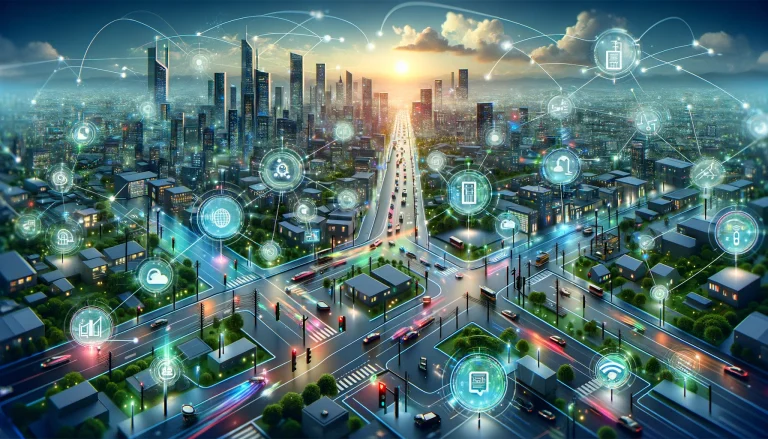
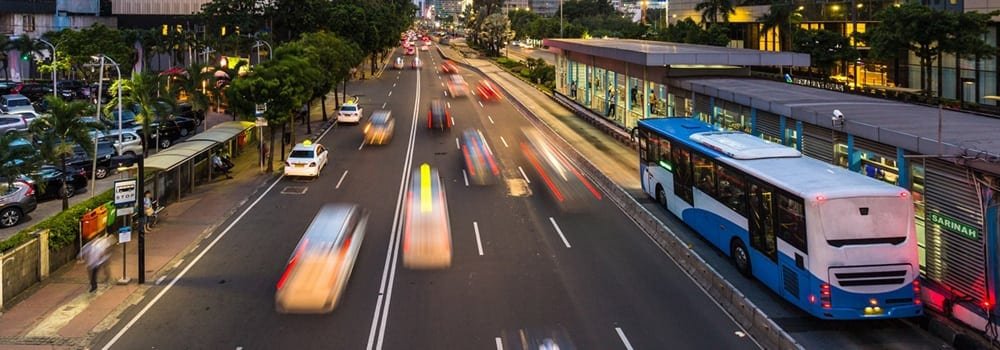
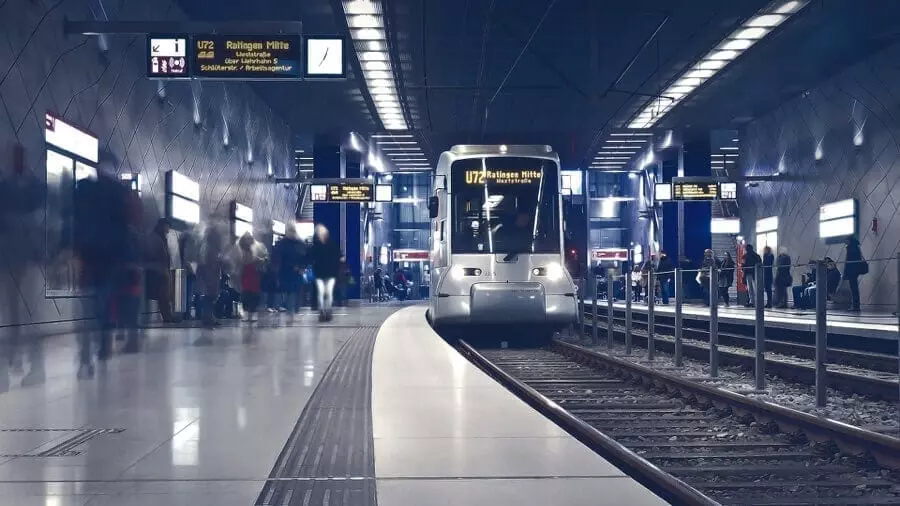
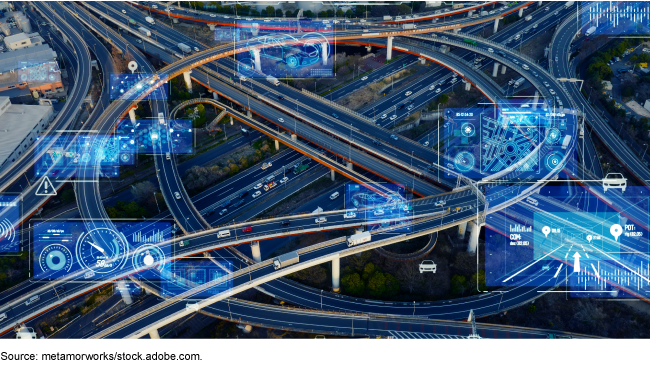
Reaksi ( ITS ) dalam Meningkatkan Efisiensi Transportasi – Intelligent Transportation Systems (ITS) adalah teknologi berbasis informasi yang bertujuan untuk mengoptimalkan infrastruktur dan manajemen lalu lintas. Sistem ini menggunakan kombinasi perangkat keras, perangkat lunak, serta komunikasi data untuk memantau, mengelola, dan meningkatkan transportasi secara real-time. ITS diadopsi secara luas di berbagai negara maju dan berkembang, termasuk Indonesia, karena terbukti mampu mengatasi berbagai permasalahan lalu lintas seperti kemacetan, kecelakaan, serta polusi udara.
Teknologi yang Digunakan dalam ITS
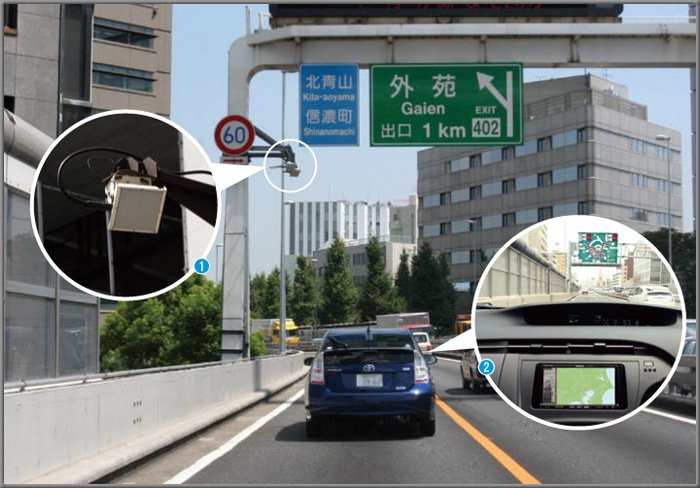
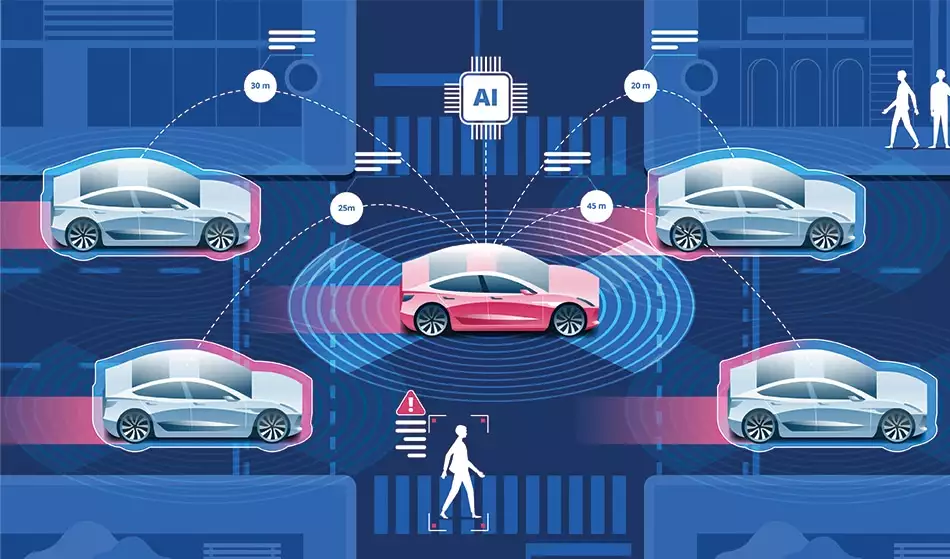
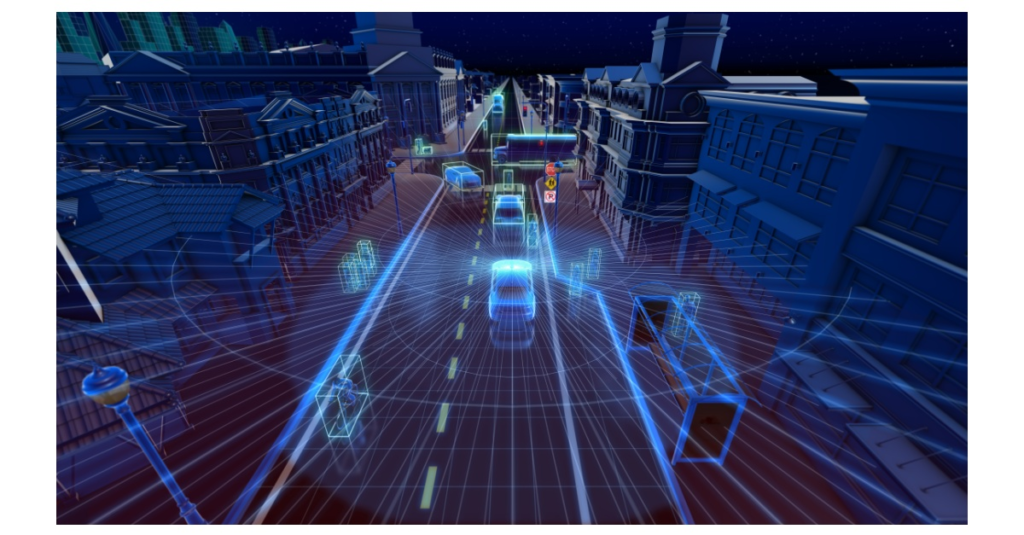
Teknologi yang digunakan dalam ITS mencakup berbagai komponen, seperti sensor, kamera, sistem GPS, dan jaringan komunikasi. Sensor dan kamera dapat memantau volume kendaraan, mendeteksi pelanggaran lalu lintas, serta mengumpulkan data untuk dianalisis lebih lanjut.

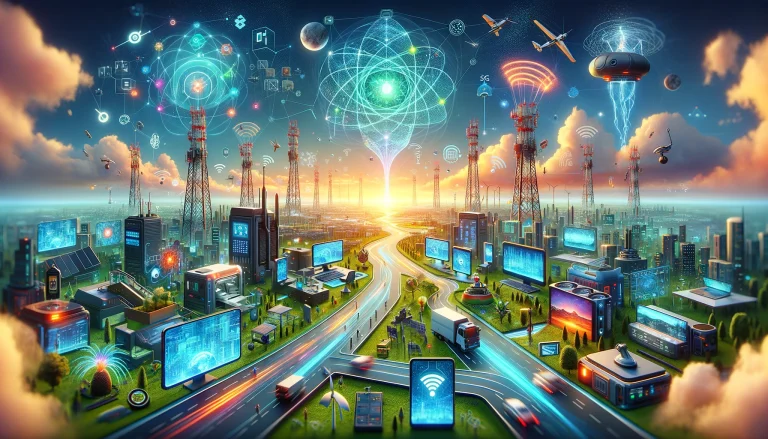
Sistem GPS memungkinkan pelacakan kendaraan secara real-time, sementara jaringan komunikasi, seperti 5G, memungkinkan pengiriman data secara cepat dan akurat ke pusat kontrol lalu lintas. Dengan teknologi ini, operator bisa merespons peristiwa di jalanan dengan lebih cepat, mengurangi risiko kecelakaan, dan meningkatkan alur lalu lintas.
Dampak ITS terhadap Pengguna Jalan
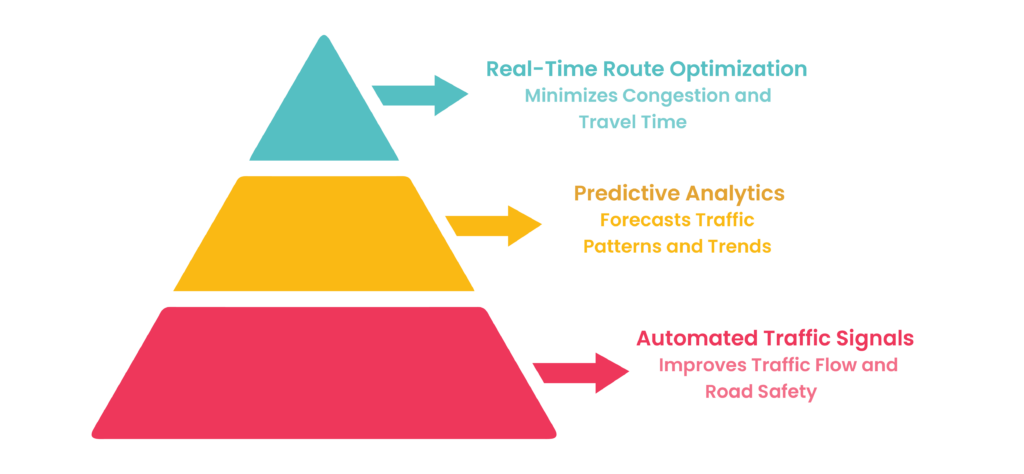
Implementasi ITS memberikan dampak positif bagi pengguna jalan, mulai dari pengurangan waktu perjalanan, penurunan risiko kecelakaan, hingga peningkatan kenyamanan berkendara. Misalnya, ITS memungkinkan pengaturan sinyal lalu lintas berdasarkan volume kendaraan, sehingga mengurangi kemacetan pada jam sibuk. Selain itu, ITS dapat memberikan informasi terkini kepada pengemudi mengenai kondisi jalan, cuaca, dan insiden yang mungkin terjadi. Semua ini berdampak langsung pada efisiensi waktu dan keselamatan di jalan raya.
Tantangan Implementasi ITS di Indonesia

Meskipun memiliki banyak manfaat, implementasi ITS di Indonesia menghadapi beberapa tantangan. Salah satu tantangan terbesar adalah infrastruktur dasar yang belum merata di seluruh wilayah. Selain itu, masalah pendanaan dan perawatan perangkat ITS juga menjadi kendala. Integrasi sistem antar lembaga, serta pelatihan bagi tenaga kerja yang kompeten dalam pengoperasian ITS, juga memerlukan perhatian. Dengan mengatasi tantangan ini, diharapkan ITS dapat diterapkan lebih efektif di seluruh Indonesia, tidak hanya di kota-kota besar, tetapi juga di daerah-daerah terpencil.
Kesimpulan
Intelligent Transportation Systems menawarkan solusi yang signifikan dalam meningkatkan efisiensi transportasi dan keselamatan di jalan. Dengan dukungan teknologi terkini, ITS membantu mengurangi kemacetan, meningkatkan keselamatan, serta memberikan kenyamanan bagi pengguna jalan. Namun, untuk memaksimalkan manfaat ITS, diperlukan upaya kolaboratif antara pemerintah, swasta, dan masyarakat dalam mengatasi tantangan implementasinya. Implementasi ITS yang sukses akan menjadi tonggak penting dalam membangun sistem transportasi yang lebih cerdas dan terintegrasi di masa depan.